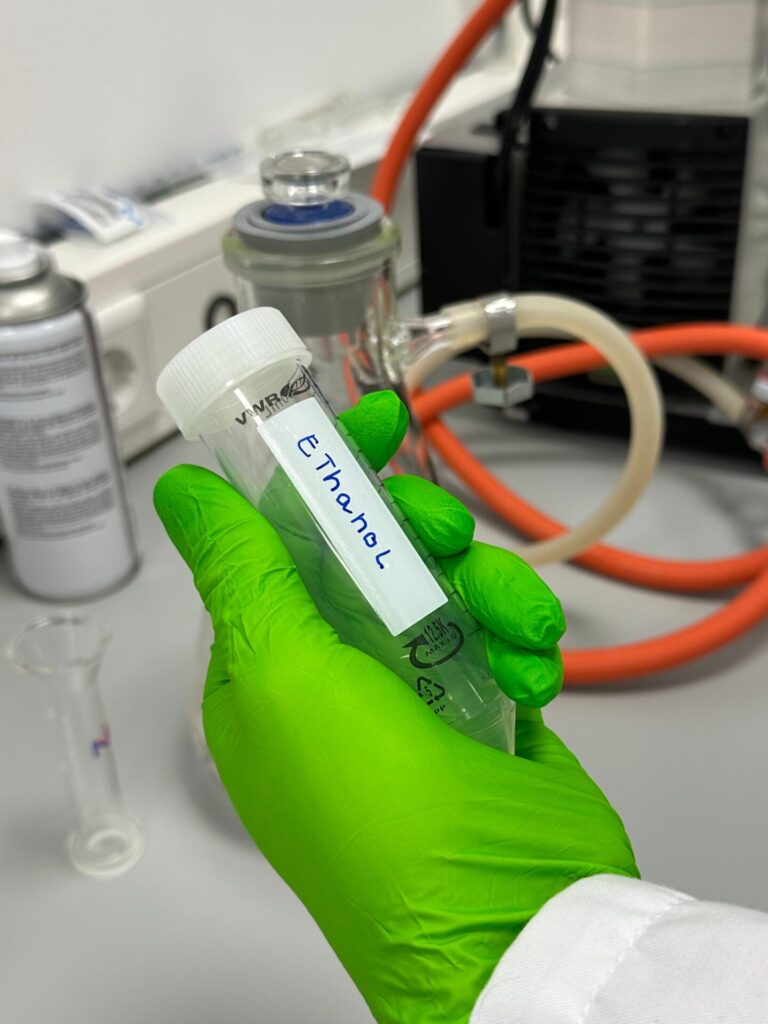
Ethanol is the absolute cornerstone of infection prevention and effective disinfection. However, complex European regulatory processes have been looming over the market for years. February 2026 marks a crucial turning point. The Biocidal Products Committee (BPC) of the European Chemicals Agency (ECHA) has officially issued a positive opinion supporting the approval of ethanol as an active substance in biocides.
This opinion covers the most critical product-types:
- PT01: Human hygiene products (such as hand disinfectants).
- PT02: Disinfectants not intended for direct contact with humans or animals.
- PT04: Disinfectant Products used in food and feed areas.
What does this mean for your organization?
While safe use and efficacy have been demonstrated for all uses in these product-types the BPC did not reach a definitive conclusion regarding a potential classification as a carcinogenic or reprotoxic substance (CMR-substance). This means the discussion within the EU CLP framework remains complex, and ethanol continues to carry regulatory risks.
The active substance dossier has now been moved to the European Commission for final, legally binding decision-making. As soon as this implementing regulation enters into force, national transitional laws will expire. From that moment on, companies must secure formal Union or national product authorizations under the Biocidal Products Regulation (BPR) to keep their products on the market.
How we support you as a CRO
The coming period can be used to take strategic action for your ethanol based biocidal products. Failure to submit the correct dossiers in time may result in your products being withdrawn from the European market. We support the chemical industry to ensure a seamless transition.
Our core expertise includes:
- Strategic BPR Consultancy: In consultation with you, we define the fastest route to market authorization (BPR National vs. Union authorization).
- Dossier Compilation & Validation: Full development of your authorization dossiers in compliance with the strictest ECHA guidelines.
- Exposure & Risk Assessment: Of your intended ethanol containing products and their uses.
- Efficacy Testing: Monitoring/ evaluating studies into the potency of your specific ethanol formulations to destroy bacteria, fungi and enveloped viruses.