
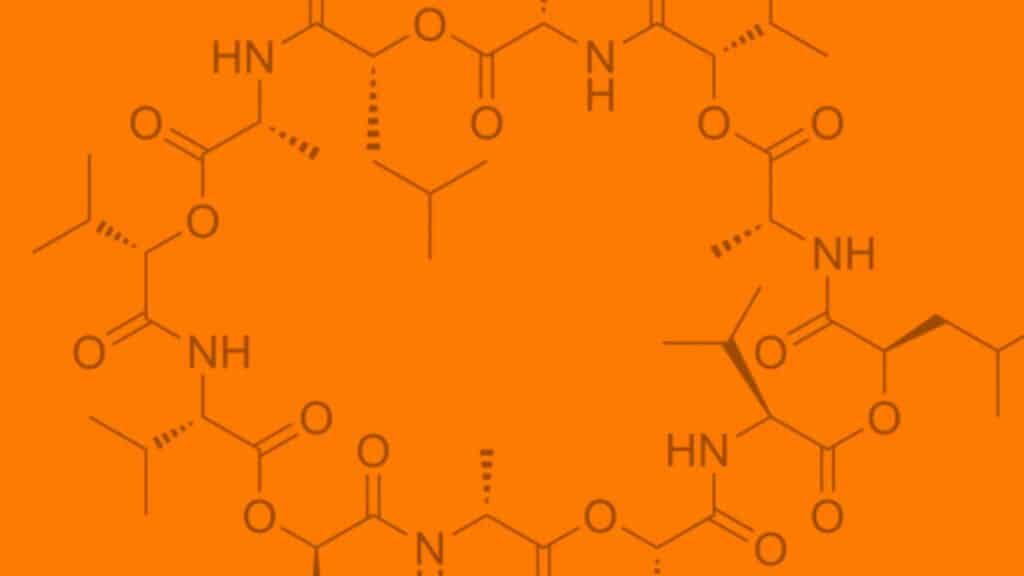
Events with cereulide in the infant nutrition sector have highlighted risks that are not always covered by routine testing. Our verified cereulide analysis eliminates this risk.
Infant formula operates within extremely small safety margins. When contamination is suspected, uncertainty spreads fast. Not only about the finished product, but also about ingredients, sourcing, and whether existing testing strategies provide sufficient coverage.
One of the risks that has come into focus is cereulide. A toxin produced by Bacillus cereus. It is heat and acid stable and therefore not eliminated by standard processing steps such as pasteurisation. Detecting it requires targeted analysis. Routine testing alone is often not enough.
For manufacturers, this creates a clear challenge. Being able to demonstrate control quickly and credibly becomes essential. Towards authorities, customers, and supply chain partners. That is where targeted testing makes the difference.
At Triskelion, we offer a verified cereulide analysis for infant nutrition powders, based on extraction in acetonitrile and LC MS MS according to ISO 18465. The analysis is performed in our laboratory in Utrecht and is suitable for complex matrices such as infant formula, rice hydrolysates, and oils.
What we offer
Cereulide analysis by LC MS MS
LOQ 0.03 µg/kg and LOD 0.01 µg/kg for infant nutrition powder
Verified approach with recoveries between 90 and 120 percent
Clear, actionable reporting